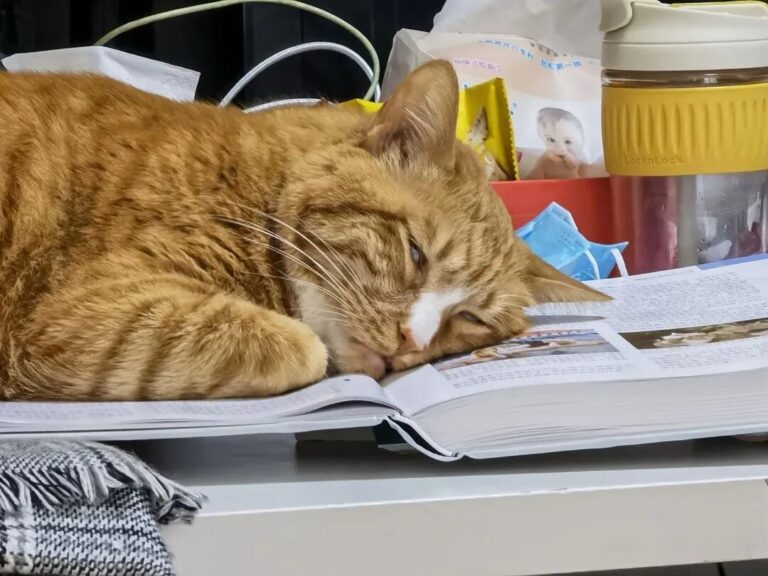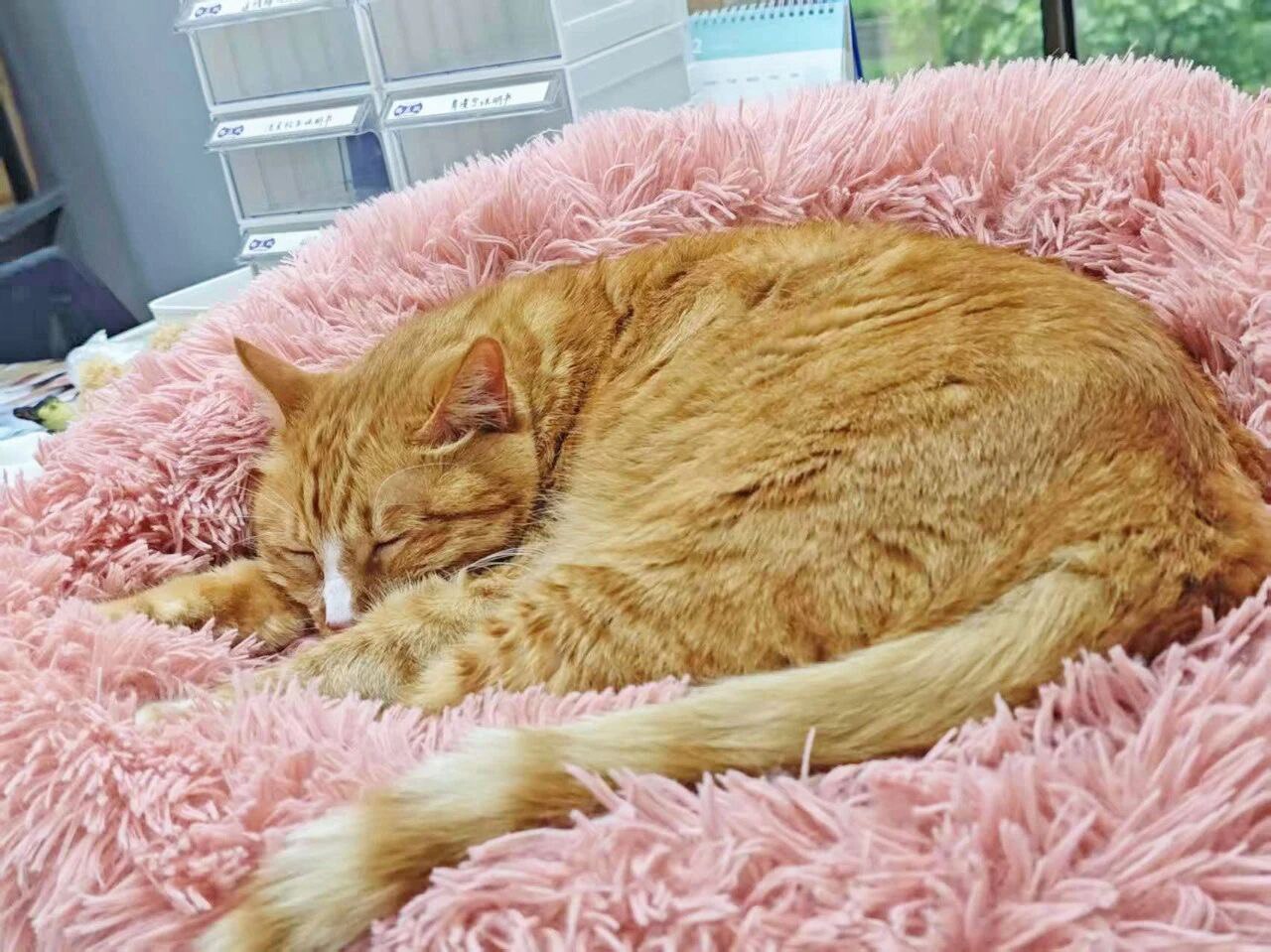
Why are cats so afraid of the cold even though they have a lot of fur?
Even more sensitive to the cold + thinner layer of fat + not wearing shoes and socks…
Although they were wearing a real fur coat
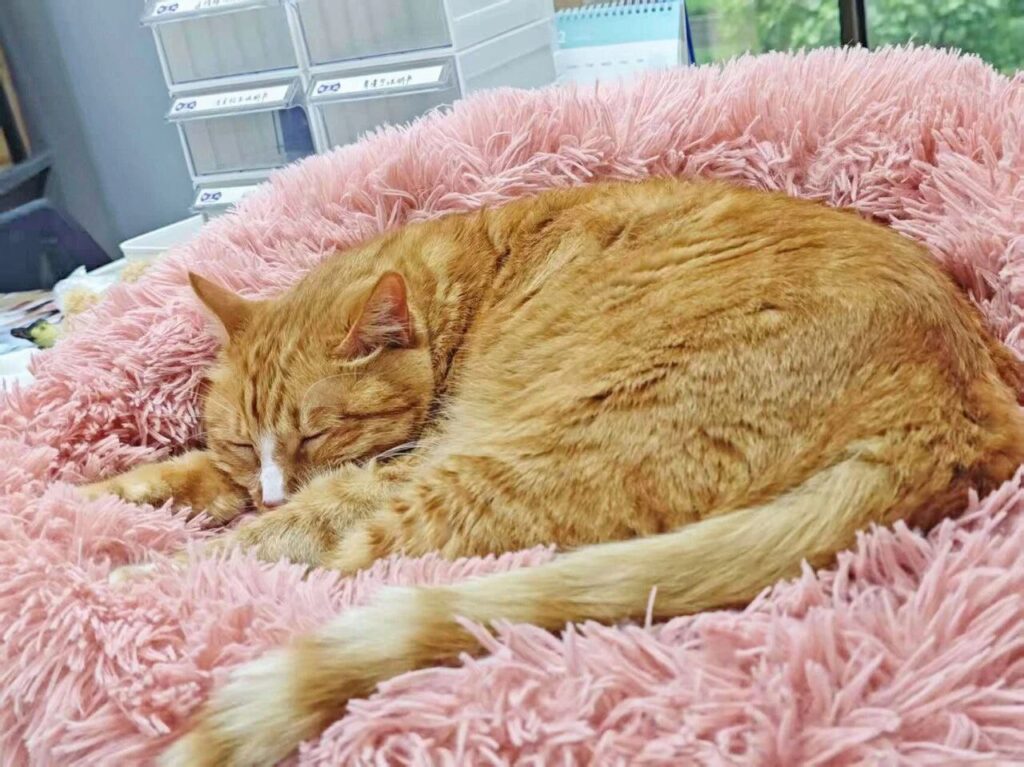
There are several reasons why cats are sensitive to cold:
1.Higher body temperature makes them feel colder
Cats naturally have a higher body temperature than humans. When the skin perceives the same temperature, the difference between a cat’s body temperature and its perceived temperature is greater, making it feel colder.
2.Thinner Fat Layer, Less Intolerant of Cold
Muscle tissue contains 70-80% water, while adipose tissue is mainly composed of lipids, accounting for about 60-80%. Lipids have lower thermal conductivity than muscle, making them better at retaining warmth.
Compared to other animals with similar body temperatures (lions, tigers, pigs, etc.), domestic cats generally have a thinner fat layer, making them less resistant to cold.
3.A Deliberate Choice Driven by Hunting Instinct
Cats have a very low hunting success rate, averaging only 10%, and this success rate is even lower in winter, while the risk is higher (they may be preyed upon by other large animals).
Therefore, cats tend to stay in warm places or minimize their activity to reduce energy expenditure and thus reduce the frequency of hunting. This makes cats seem more susceptible to the cold.
4.Not wearing socks and shoes
To approach prey silently, cats tuck their toes in when walking, leaving their paw pads in direct contact with the ground. To prevent slipping, they’ve evolved to lose all the fur on their paw pads…
This results in cats’ paws being in direct contact with the ground, making them vulnerable to penetrating cold air attacks!
5.Domestic cats lack cold-resistant genes.
Current research suggests that domestic cats descended from African wildcats. This means that the vast majority of domestic cats lack the genes for living in the cold winter wilderness and have weaker adaptability.
The differentiation of cat breeds has mainly occurred in the last 200 years. Some breeds have lived in the cold winter wilderness since their differentiation, and thus have learned to resist the cold.
How to tell if your cat is cold?
1.Look at the temperature generally.
The American Veterinary Medical Association’s “Companion Animal Care Guide” recommends that the ambient temperature for cats should be between 10 and 26.6°C. Generally, cats will feel cold if the room temperature is below 10°C; when the temperature drops below 0°C, most cats will feel very cold.

2.Observe the signs that your cat is cold
· Sleeping in a curled-up position
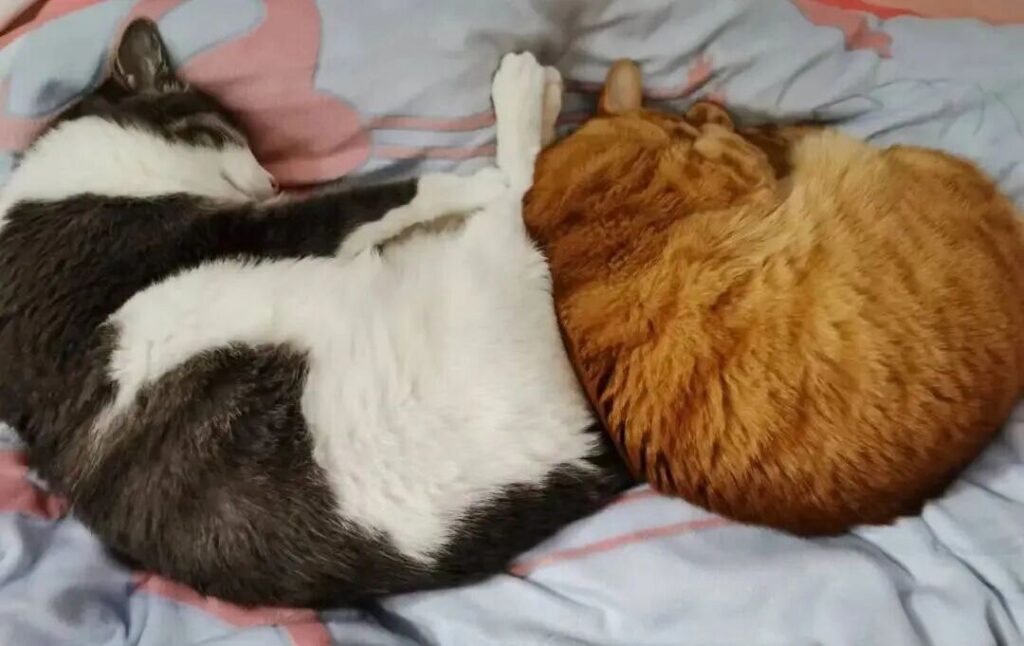
Became less active and less fond of grooming.
· Sleeping in your bed/under the covers
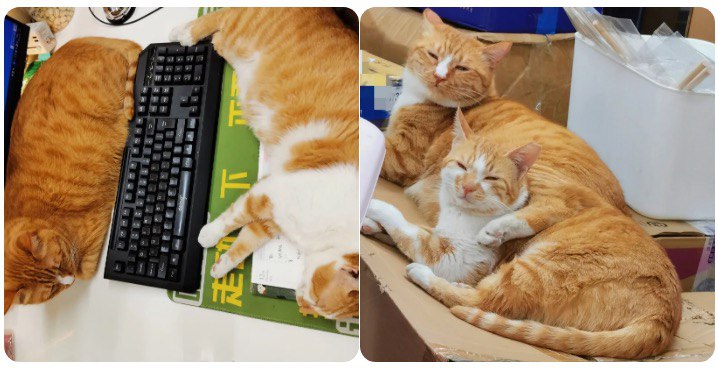
Sleeping in a cuddly position with a cat (or person) you don’t have a close relationship
Looking for other warm places