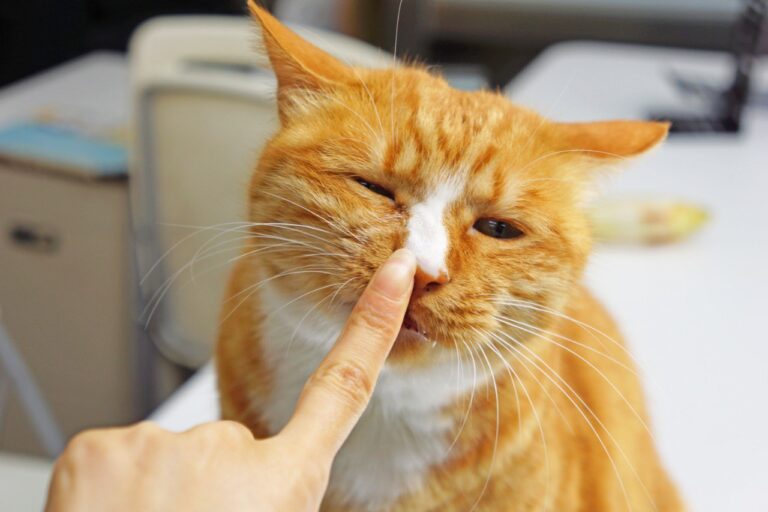
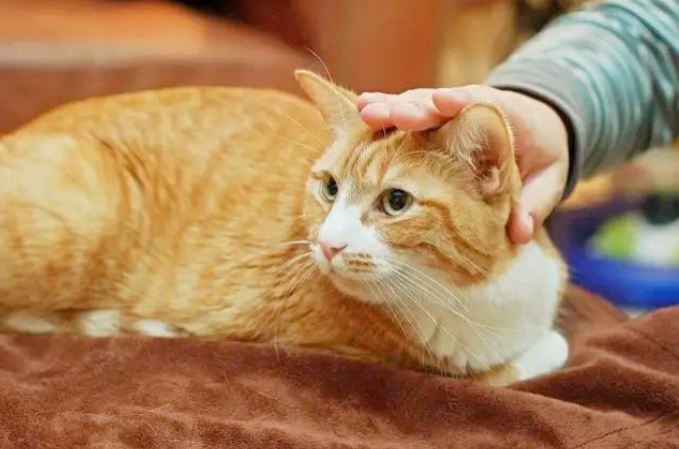
Will a cat be lonely at home? Should I get it a companion?
“Does my cat need a companion?”
“My cat falls asleep as soon as I leave the house…should I get another cat to keep it company?”
Single-cat owners often ask us this question.

In fact, every cat’s situation is different.
You can use this 4-step check to see if your cat needs a companion:
Step 1: Do cats need to live in groups and socialize?
The conclusion is: cats are not social animals, but they do need some socialization.
However, in hunting and eating, they are absolutely solitary.
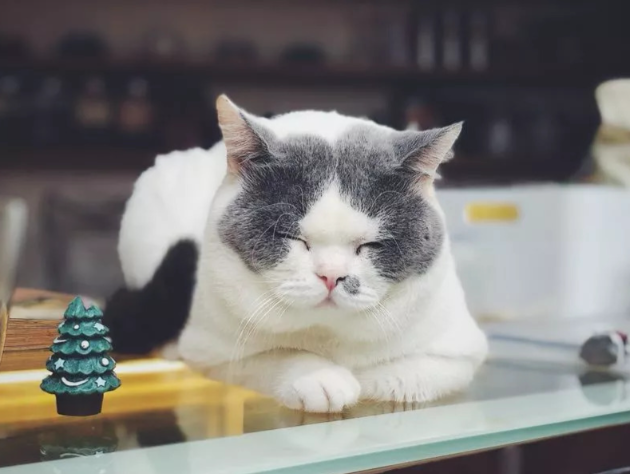
Cats hunt alone.
Among common felines, only lions hunt in groups.
Other felines typically prey on small animals such as birds and mice, requiring no cooperative hunting; even when faced with large prey, they will choose to challenge it alone.
Cats also feed alone.
From birth, kittens can already use saliva and their sense of smell to “claim” their mother’s nipples.
As kittens grow, their need for a “safe feeding distance” becomes even stronger.
While some cats will eat from their food bowls placed side-by-side, this is only because they have to eat. Eating like this isn’t enjoyable for the cats; it indicates feeding stress.
Outside of mealtimes, most cats have social needs:
Cats need socialization
Cats need a certain amount of socialization, but this isn’t “for survival”; it’s more like an after-dinner activity. For example:
· In stray cat communities, in areas with abundant food resources, they are more tolerant and will meet and interact appropriately after eating and drinking their fill.
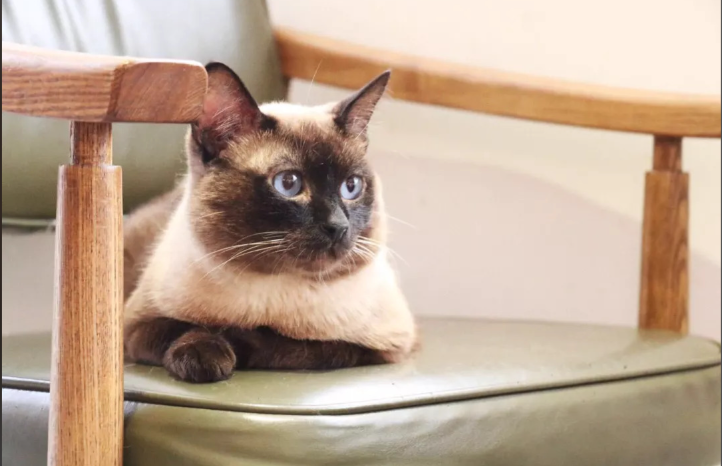
While domestic cats are more flexible in their tolerance and acceptance of each other than other felines, whether a cat can become a friend depends entirely on whether they like each other.
This means that while cats need socialization, not all cats need another kitten as a playmate.
So how do you tell if your cat needs a playmate?
We consider two aspects: whether the cat’s social needs are being met (whether it’s lonely) and the type of socialization it needs (whether adding a playmate is suitable):
Step 2: Is your cat really lonely and bored?
Not all cats in single-cat households are lonely.
Some cats have rich inner lives, some are good at finding little joys in life, and some have the companionship of their owners… They don’t need to find extra entertainment.
Cats that are bored or lack companionship will exhibit some common signs:
▢ Excessive licking, leading to increased shedding, thinning fur, or patchy baldness.
These bald patches are usually symmetrically distributed, often appearing on the abdomen, sides of the back, and forelimbs.
Increased destructive behavior.
For example, your cat might constantly pounce on your feet, scratch at doors and cabinets, or wander around the house at night with a toy in its mouth, meowing as it goes… Many of the behaviors you perceive as “naughty” in cats may actually be due to boredom or stress; or these behaviors may decrease or disappear when you enrich your cat’s living environment and increase interaction with it.

Overeating.
Just like how people unconsciously reach for snacks when bored, cats may also seek temporary pleasure and satisfaction through eating when bored and lacking other entertainment. However, this can be highly addictive, leading to an inability to stop… and ultimately, weight gain…
Step 3: Is your cat ready to get a new companion?
Many cats don’t like sharing their territory with other cats. Consider the following factors:
▢ Age: Younger cats are more receptive to new members than older cats. Generally, kittens under one year old are more suitable for getting a new companion.
▢ Hormones: Neutered/spayed cats are easier to get along with than non-neutered/spayed cats (neutering/spaying is generally recommended).
▢ Food guarding/urine marking: If your cat is guarding its food, frequently vomits from eating too quickly, or continues to urinate indiscriminately or mark its territory after being neutered/spayed, it’s not suitable to introduce a new cat at this stage.

Excessively timid or easily stressed: Cats with a history of sensitivity issues such as urinary retention after moving are not recommended for adoption.
▢ Other health problems: For example, if the resident cat has cup-shaped hair, it’s not advisable to get a new cat.
Step 4: Does your cat meet the requirements for finding a companion?
If the previous three steps have been passed, it only means your cat might not object to having a companion.
However, you also need to consider whether your household can provide sufficient resources for two cats, and what kind of suitable companion you need to find for your cat.

What conditions are required?
▢ Food, water, litter box, cat tree, etc., all need to be doubled.
Having two cats doesn’t mean two cats sharing one litter box; you need to prepare and have space for at least 2-3 litter boxes.
Excessively timid or easily stressed: Cats with a history of sensitivity issues such as urinary retention after moving are not recommended for adoption.
▢ Other health problems: For example, if the resident cat has cup-shaped hair, it’s not advisable to get a new cat.

Step 4: Does your cat meet the requirements for finding a companion?
If the previous three steps have been passed, it only means your cat might not object to having a companion.
However, you also need to consider whether your household can provide sufficient resources for two cats, and what kind of suitable companion you need to find for your cat.
What conditions are required?
▢ Food, water, litter box, cat tree, etc., all need to be doubled.
Having two cats doesn’t mean two cats sharing one litter box; you need to prepare and have space for at least 2-3 litter boxes.
If the above basic requirements are met, you can consider “seeking” a cat:

What kind of companion would be most suitable?
You can consider cats that meet at least one or more of the following criteria:
▢ Related by blood, mother and child, mother and daughter, or siblings
▢ Both kittens, of similar age
▢ Gender not limited, but generally two male cats > one male and one female > two female cats
▢ Well-socialized, with a somewhat “outgoing” personality
In summary: a single-cat household doesn’t mean your cat is lonely, and loneliness and boredom don’t mean you need a second cat.
If, after following these steps, your cat seems suitable for companionship, don’t rush into bringing a second cat home.
You’ll still need to prepare supplies, set aside a quarantine area, and learn how to introduce cats…